DATE
16/09/2024
Scaling a Global Watch Bands Store
This business operates in a highly competitive accessories niche, selling watch bands worldwide with a strong primary focus on the U.S. market.
The brand is already well-established, trusted, and considered a key player in its category. Performance was solid. But like most mature e-commerce businesses with large catalogs, growth was starting to plateau not because of demand, but because of structural limitations in how search, languages, and feeds were set up. In February 2024, they engaged with us to identify and unlock the next layer of growth.
E-Commerce
Shopify
6 Figures Annual Revenue


The Starting Point
At the time of engagement:
The website was English-only
The catalog was large, but not fully expressed in search
International traffic existed, but conversion rates outside the U.S. were underperforming
Google Ads performance was already strong
Organic visibility was healthy, but uneven across markets
This wasn’t a rescue project.
It was a precision scaling problem.
Core Constraint We Identified
The issue wasn’t traffic.
It wasn’t product quality.
And it wasn’t brand trust.
The constraint was this:
A global business was operating with a single-language, single-signal search structure.
That creates three silent problems:
International users browse in a non-native language
Google receives mixed geographic and linguistic signals
Product intent is diluted across markets
For a large catalog, this compounds fast.
Strategic Decision: Expand by Structure, Not Reach
Instead of “going international” loosely, we made a controlled decision:
Build native sub-directories, not translated pages.
We launched dedicated language sub-directories for:
German
French
Italian
Spanish
Each sub-directory was:
Fully localized (not auto-translated)
Aligned to native search behavior
Treated as its own conversion environment
This immediately changed how both users and Google interacted with the brand.
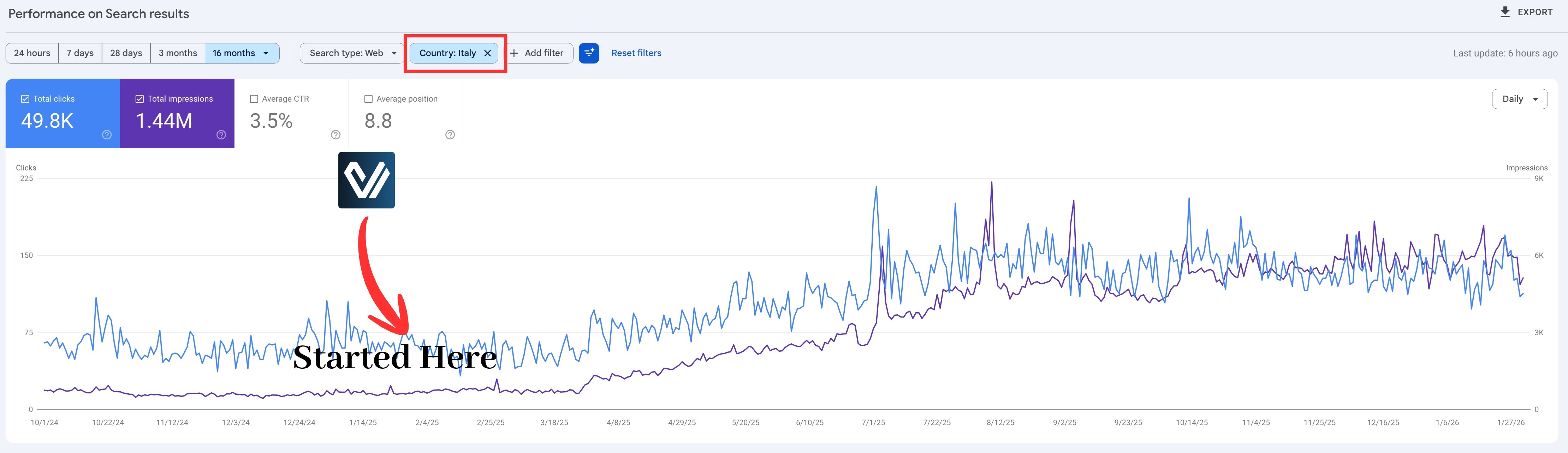
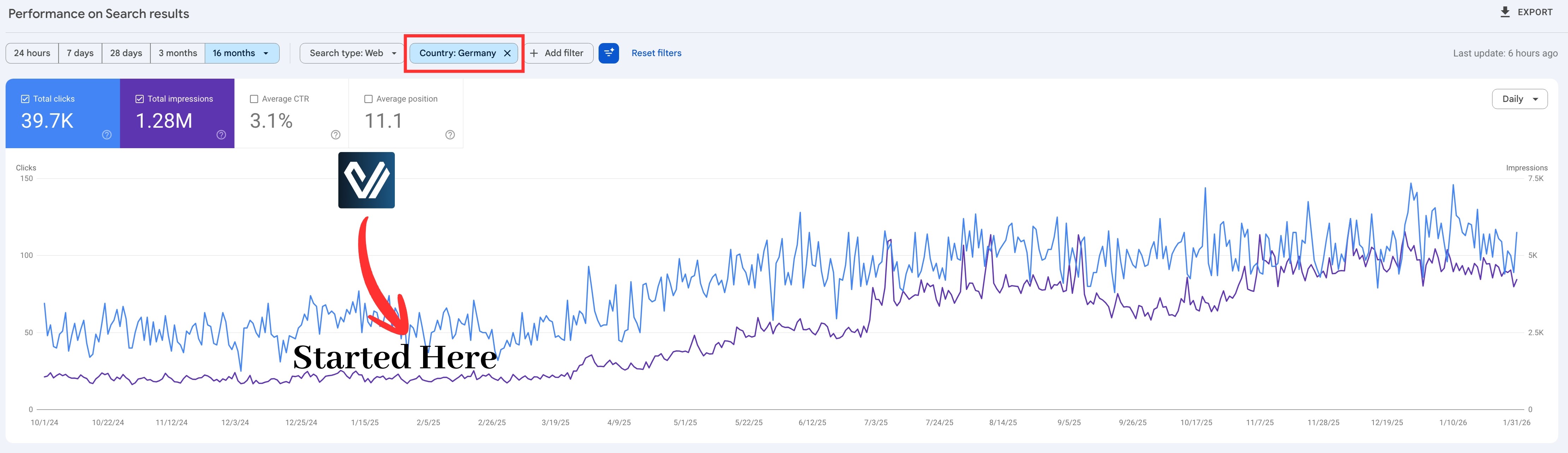
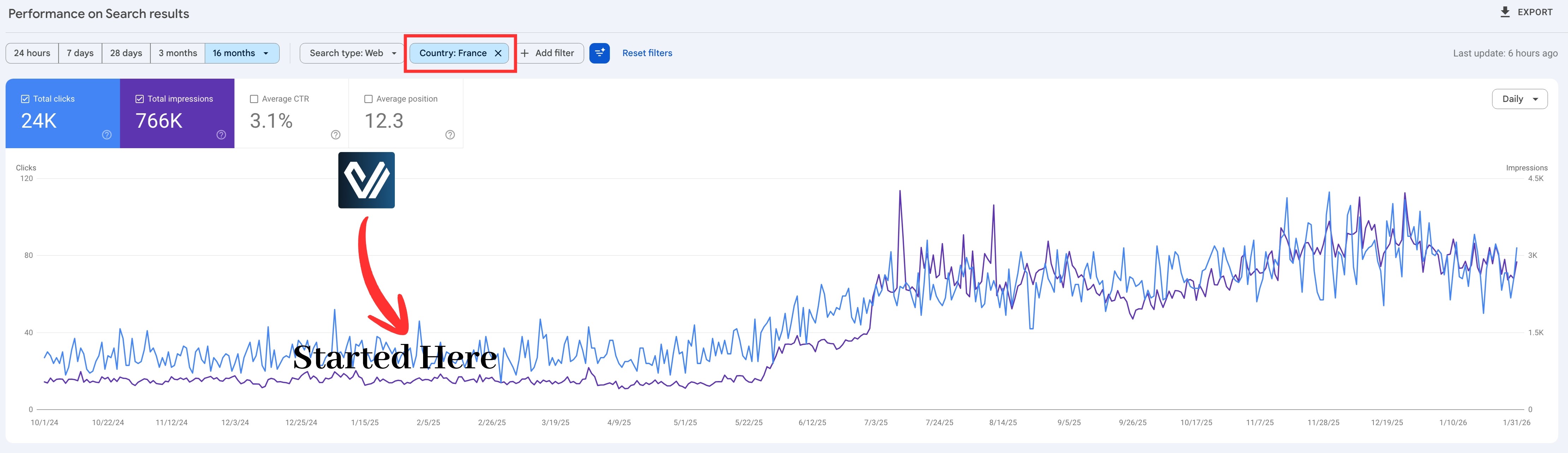
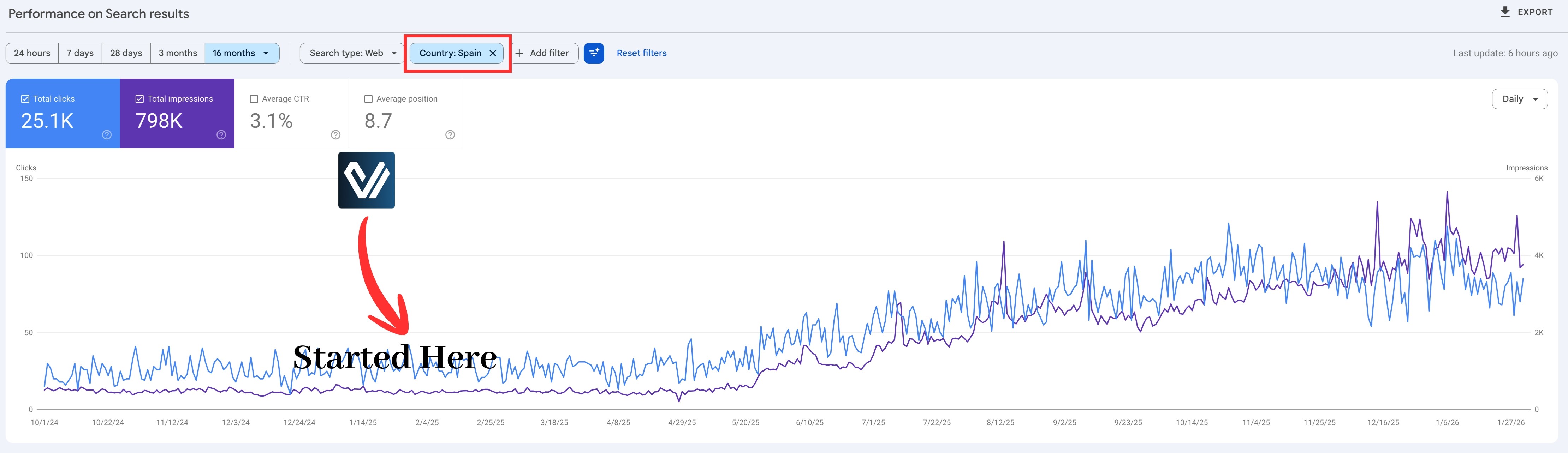
Impact on Organic Search
Once live and indexed, the results were clear:
Organic traffic from European markets increased steadily
Engagement improved due to native-language UX
Conversion rates rose without promotional pressure
This wasn’t “more traffic.”
This was better-matched traffic.
Google Shopping: Feed Architecture Rebuilt
Language expansion alone isn’t enough if feeds remain generic.
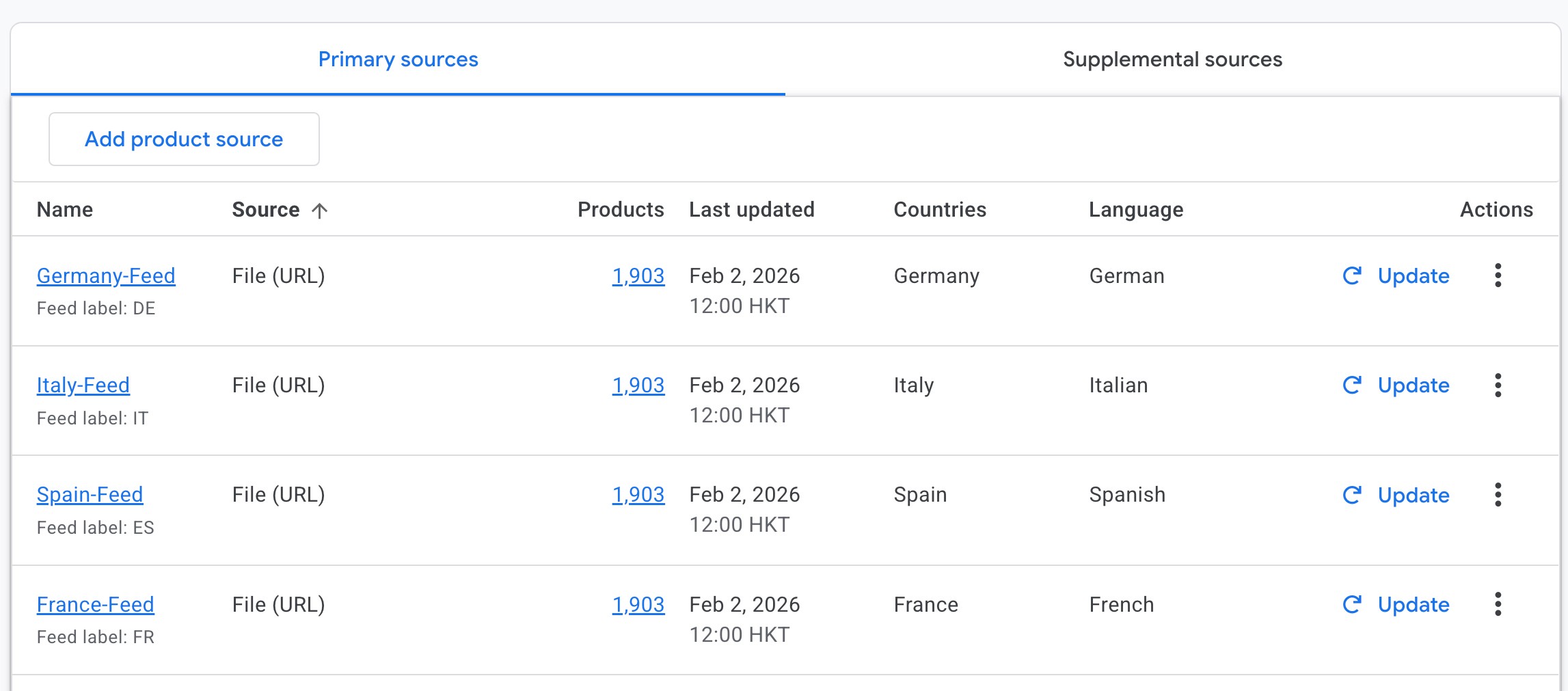
So we re-architected Google Shopping from the ground up:
Each language sub-directory was mapped to its own dedicated product feed
Each feed targeted:
A specific country
A specific language
A clean set of signals
Product titles were optimized individually.
This alignment did two things:
Increased relevance for both paid and organic shopping traffic
Improved conversion rates across all non-U.S. markets
Google finally received clear, consistent intent signals.
On-Page SEO: Unlocking the Catalog
Despite a large catalog, many high-intent queries were simply not represented.
One example:
No collection pages targeting “Color + Watch Band” keywords
(despite having the inventory to support them)
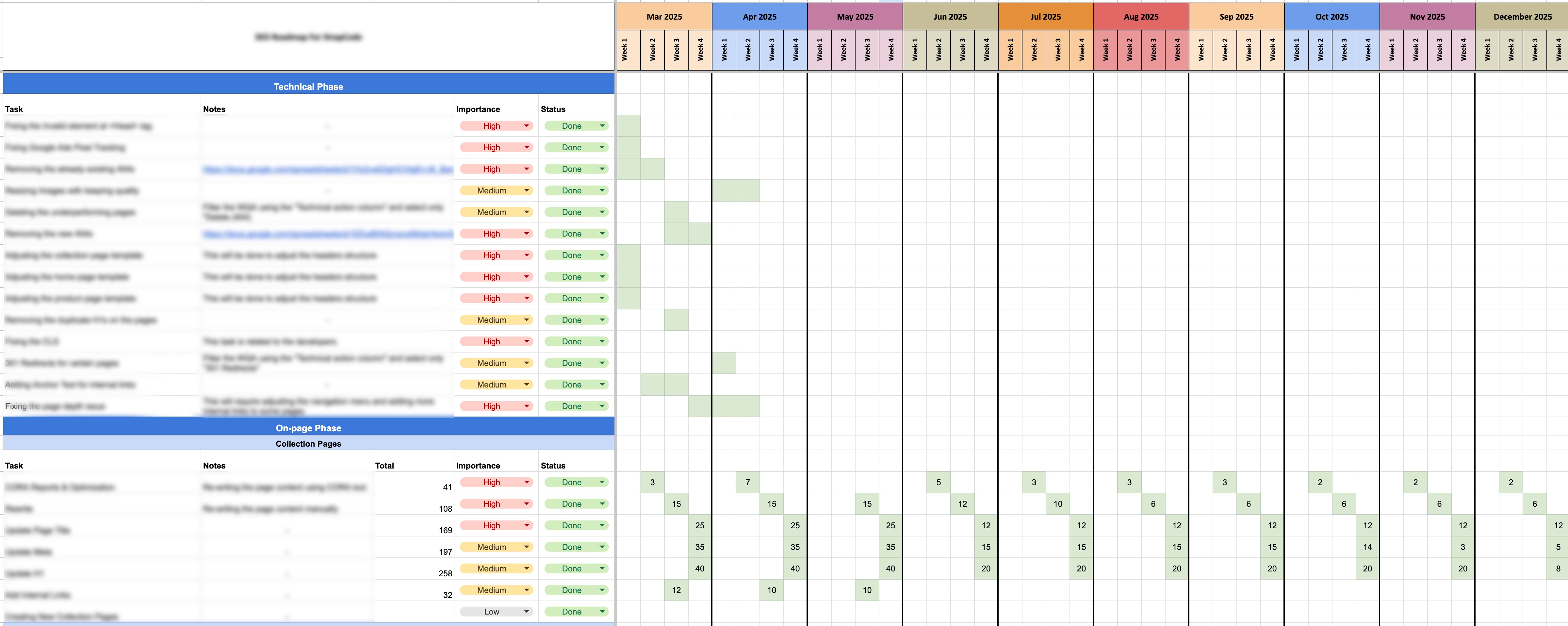
We closed this gap by:
Creating new, intent-driven collection pages
Structuring them to match competitor SERP patterns
Ensuring clean indexing and internal linking
This along side with a full ROADMAP allowed the catalog to surface its depth, not just its top sellers.
Google Ads: Scaling What Already Worked
Paid search was already profitable.
Baseline performance:
~4× ROAS (excluding branded campaigns)
Branded campaigns delivered 10×+ ROAS
(We explicitly exclude these from performance claims - branded results distort reality.)
Our role was not to “fix” Google Ads.
It was to remove friction.
What changed:
Separate campaigns per language sub-directory
Dedicated campaigns for additional English-speaking markets (UK & AUS)
Better feed-to-campaign alignment
Cleaner geographic intent
Result:
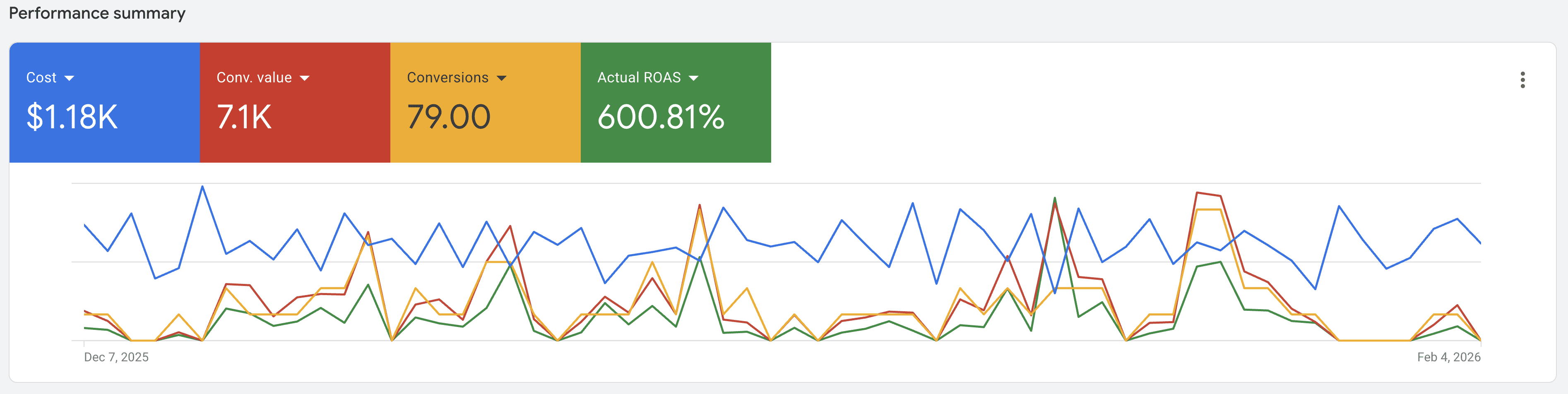
ROAS improved from ~4× to ~6×
Spend scaled without efficiency loss
Germany Campaign:
Organic Performance Growth
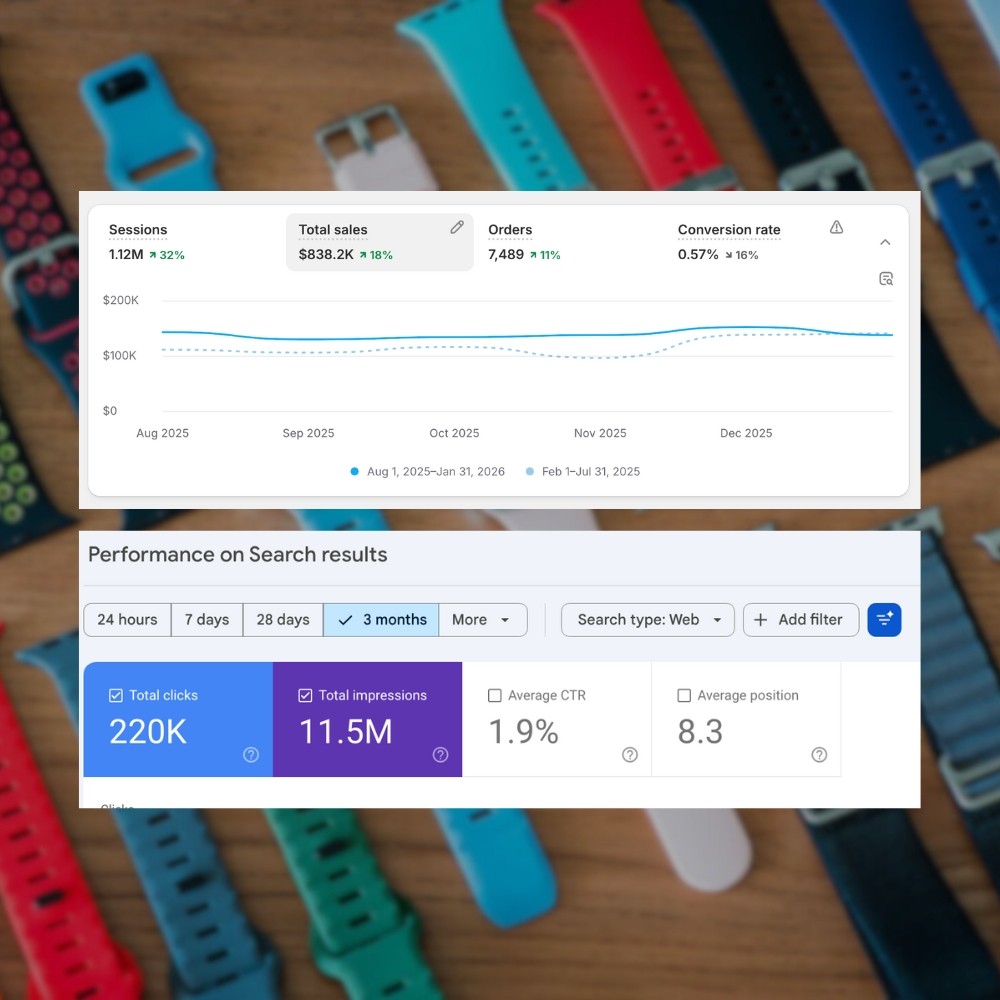
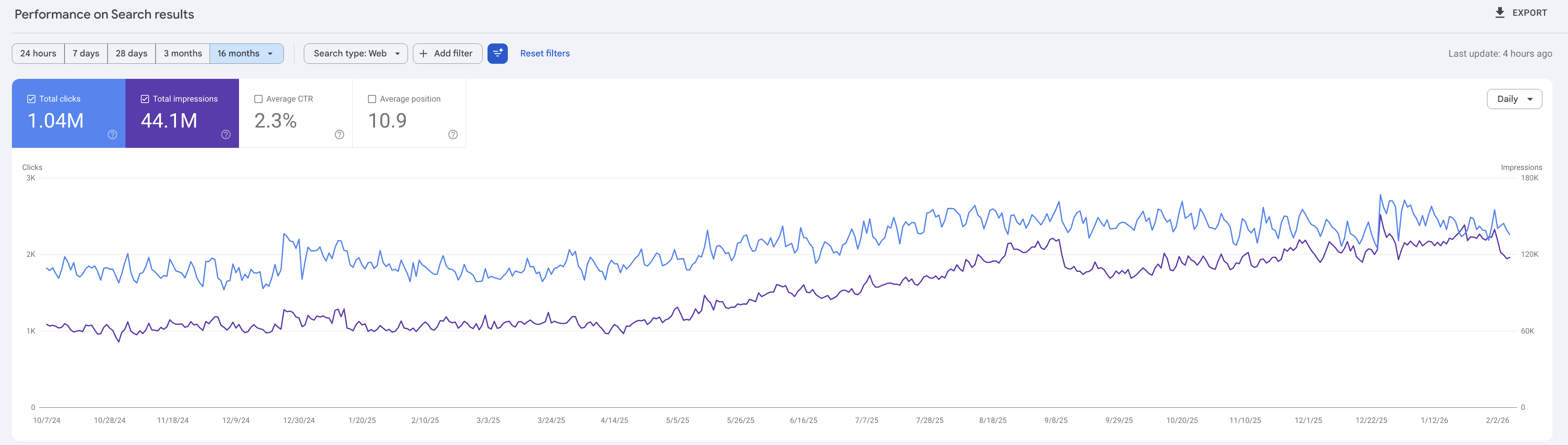
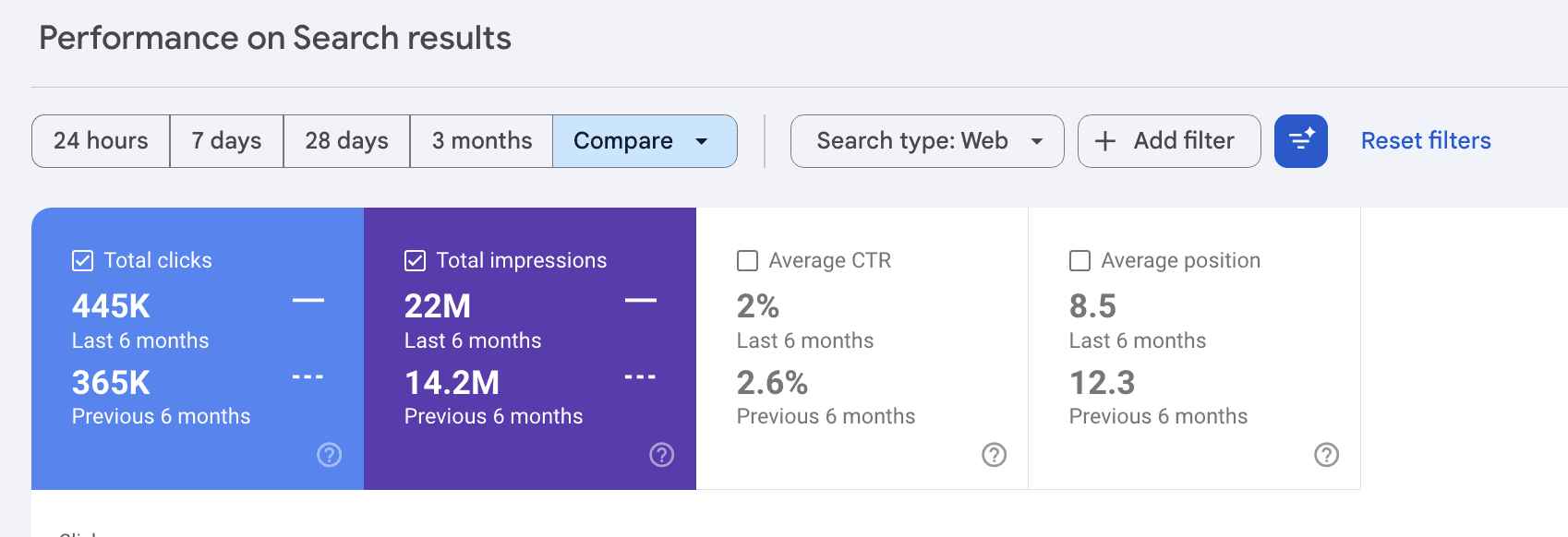
The cumulative effect of structure, language, and signal alignment resulted in measurable organic growth:
Before
~1,500–1,800 clicks/day
~60k–70k impressions/day
After
~2,300–2,700 clicks/day
~120k–160k impressions/day
This growth came without sacrificing conversion quality.

FAQs
Frequently
Asked Questions
Have questions? Our FAQ section has you covered with quick answers to the most common inquiries.
What type of businesses is this approach designed for?
How long did it take to see measurable impact?
How much does it cost to achieve similar results?
Is this a one-time optimization or an ongoing system?
Can this be done without changing my current setup?